Millennia of Resilience in the Arctic
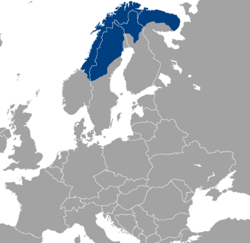
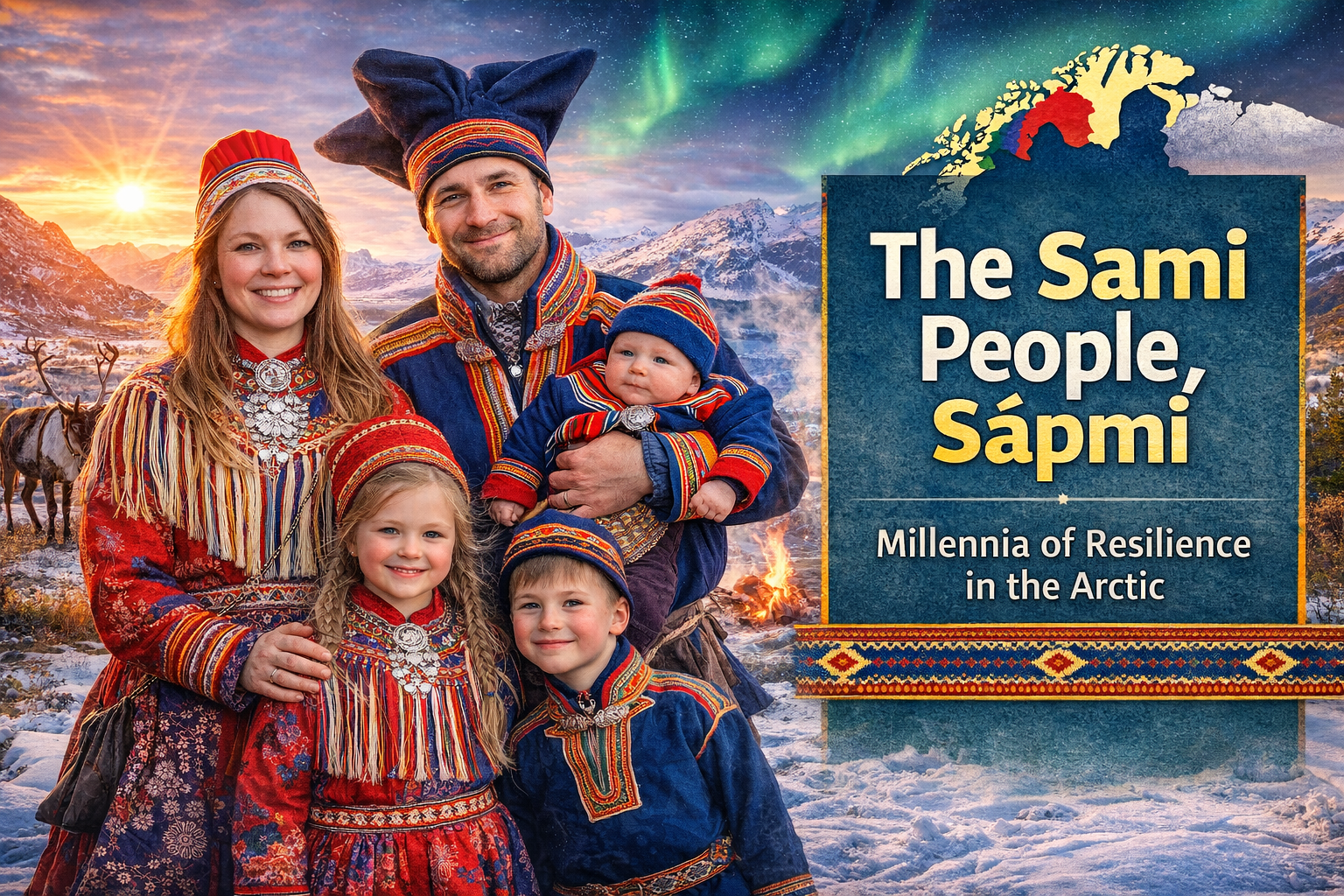
The Sami people are the Indigenous inhabitants of Sápmi, a region spanning northern Norway, Sweden, Finland, and the Kola Peninsula of Russia. Their history in this area stretches back thousands of years, beginning with the first hunter-gatherers who migrated into Scandinavia after the Ice Age. Genetic evidence suggests that ancestors of the Sami, carriers of haplogroup V, originated in southern European refugia during the last Ice Age over 13,500 years ago. As the ice sheets retreated, these groups migrated northward, eventually settling in the northernmost reaches of Europe. Unlike many other populations who intermixed with incoming agricultural groups during the Neolithic and Bronze Ages, the ancestors of the Sami remained largely isolated, preserving their hunter-gatherer lifestyle long after the agricultural revolution swept across the continent.
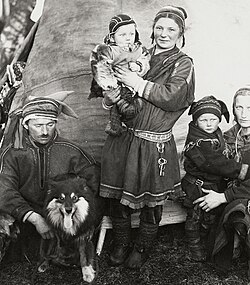
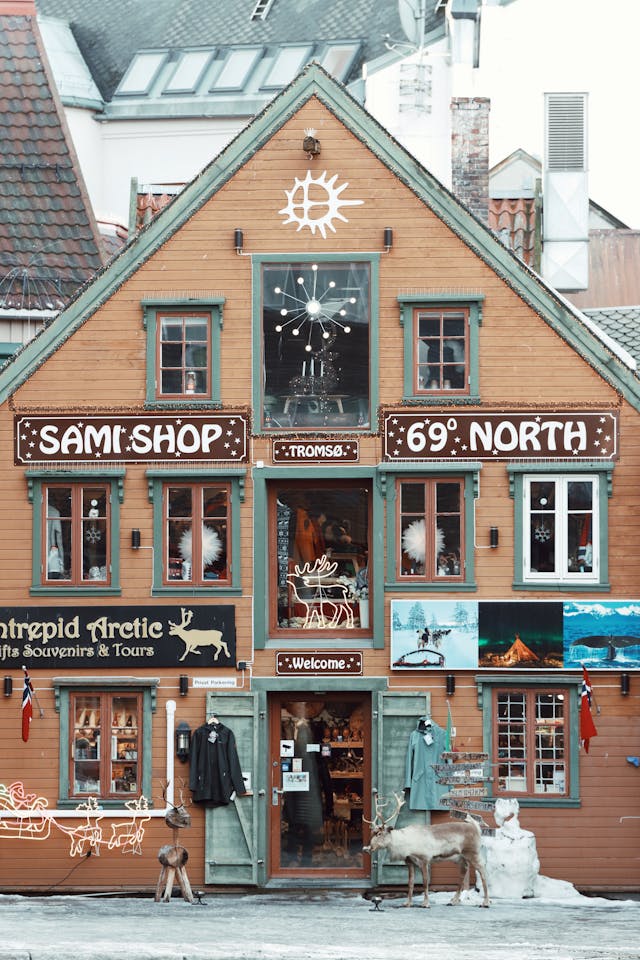
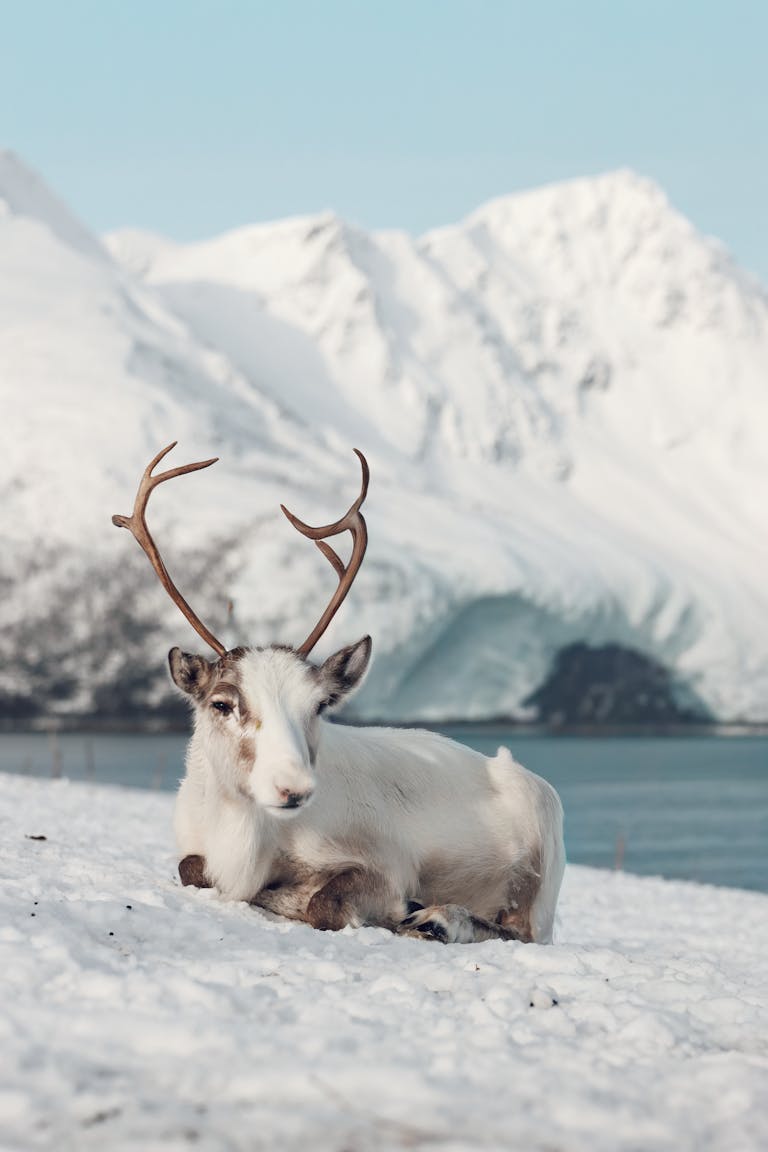
Traditional Sami culture developed in deep connection with the harsh Arctic environment. For millennia, they sustained themselves through hunting, fishing, and gathering, with reindeer and moose serving as crucial resources. Over time, many Sami transitioned to nomadic reindeer herding, a practice that continues to define their cultural identity today. Their distinct heritage is expressed through the Sámegiella language, traditional crafts like weaving and wood carving, intricate jewelry and clothing, and the unique musical tradition of joik. This rich cultural tapestry reflects thousands of years of adaptation to and coexistence with the northern landscape.
Throughout history, the Sami have faced tremendous challenges to their way of life. Colonization by Norse settlers followed by expansion of Swedish, Russian, and Finnish states led to displacement and marginalization. Their traditional lands were increasingly taken for mining, forestry, and development projects. The Sami also endured forced assimilation policies and systematic discrimination aimed at erasing their language and cultural practices. Despite these pressures, they demonstrated remarkable resilience, maintaining their distinct identity and connection to their ancestral territories.
In modern times, the Sami continue their work of cultural preservation and revitalization while adapting to contemporary life. They have achieved significant political recognition through the establishment of Sami parliaments in Norway, Sweden, and Finland, which provide a degree of selfgovernance and advocacy for Sami rights. While traditional reindeer herding remains an important livelihood and cultural practice, many Sami now pursue diverse occupations while maintaining their heritage. Today, they play a vital role in the Arctic region as advocates for environmental protection and sustainable development, ensuring that their ancient knowledge and deep connection to the land continue to inform the future of the northern territories they have called home for millennia.