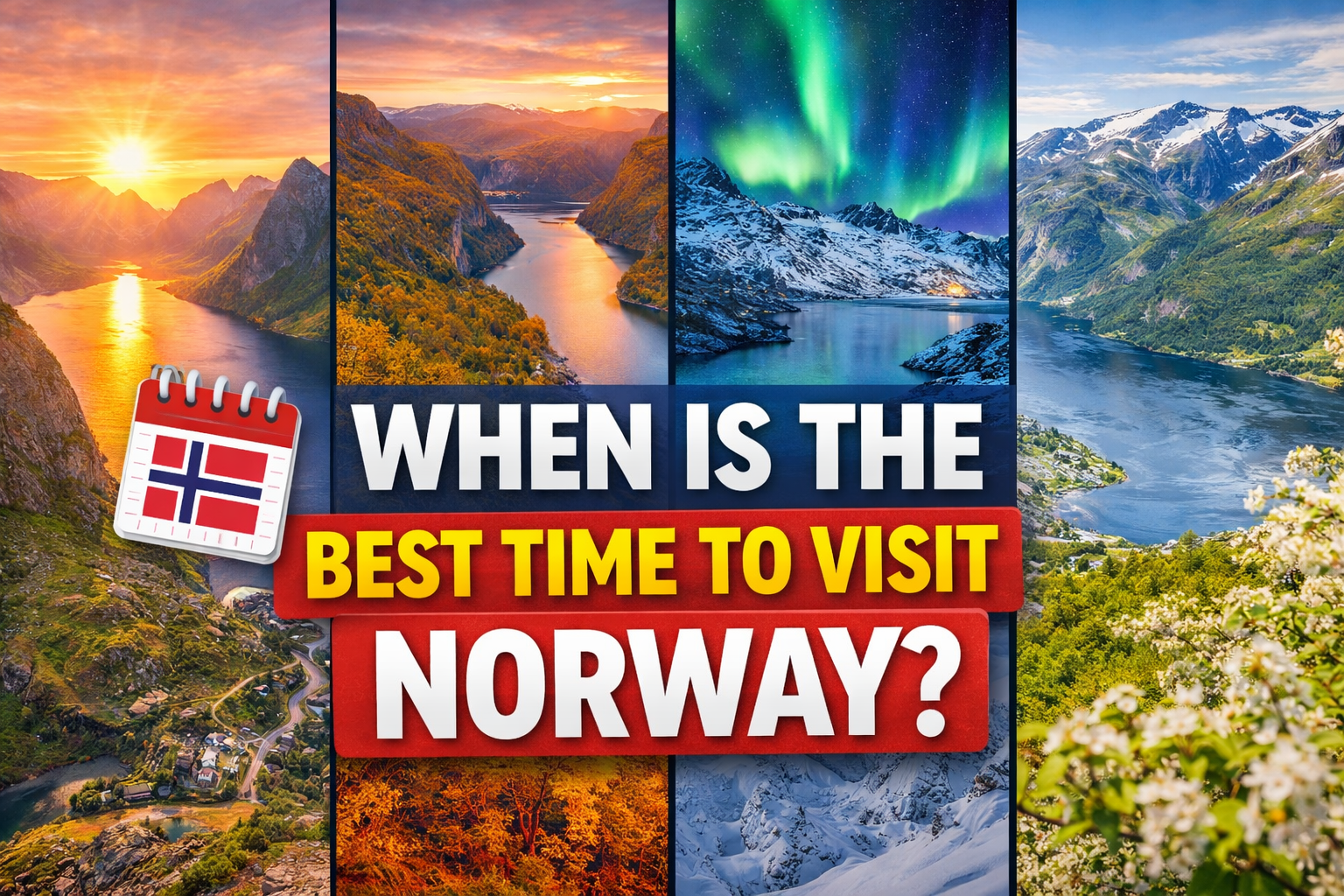
When planning a Scandinavian getaway, you might wonder when the best time to visit Norway is. The truth is that this beautiful Nordic nation is a fantastic travel destination all year round, so it is difficult to make a wrong choice.
That said, each season offers its own advantages. Summer is perfect for fjord cruises and scenic road trips, while winter is ideal for spotting the northern lights and enjoying snow based activities.
In this guide, you will learn what to expect during each of Norway’s four seasons, the best activities for every time of year, and where to go depending on your travel plans.
Visiting Norway by Season
Norway in Summer
Best for the midnight sun and outdoor adventures
June to August is a fantastic time to visit Norway if you want to experience the famous midnight sun. During this period, the days are long and bright, and lush greenery stretches across the landscape.
Weather
Temperatures vary depending on location. In the north, places such as Tromsø average around 11°C (52°F), while southern areas can reach temperatures in the 20s°C (68°F and above). These conditions are ideal for sightseeing and exploring.
Best places to visit
Summer’s long daylight hours and excellent road conditions make it the perfect season for a road trip. You could start in Oslo and travel west toward the famous fjords.
Be sure to visit Geirangerfjord, a UNESCO World Heritage Site known for its dramatic scenery.
If you want to explore the far north without the harsh winter cold, summer is ideal. The Lofoten Islands are especially beautiful during this season. Visitors can hike, kayak, cycle, fish, or simply admire the spectacular scenery beneath the midnight sun.
Activities
Summer offers many outdoor experiences:
Ziplining on Mount Ulriken near Bergen
Wild swimming in lakes and fjords
Boating or kayaking excursions
Birdwatching safaris in northern Norway
Summer events
Popular events include:
Riddu Riđđu Festival in July
Norwegian International Film Festival in August
Midnight Sun Marathon in June
Norwegian Wood in June
Norway in Autumn
Best for colourful landscapes and peaceful hiking
Between September and November, Norway’s landscapes transform into brilliant shades of yellow, orange, and red. This is an excellent time for hiking and enjoying a quieter atmosphere, as visitor numbers drop after summer.
Weather
Temperatures gradually fall as winter approaches. In Oslo the average temperature in October is around 6°C (43°F), while northern areas average about 2°C (36°F).
Best places to visit
Cities are particularly enjoyable during autumn because museums, galleries, and indoor attractions provide plenty to explore.
A journey between Oslo and Bergen offers spectacular scenery, especially along the famous Norway in a Nutshell route.
For wildlife experiences, consider travelling north on a coastal cruise toward Kirkenes. Autumn is a great season to see whales such as humpbacks and orcas.
Activities
Autumn is perfect for hiking. Popular routes include:
- Preikestolen
- Trolltunga
Northern lights season also begins during autumn as nights grow darker.
Autumn events
Seasonal highlights include:
- Bergen International Film Festival
- Dark Season Blues Festival
Norway in Winter
Best for northern lights and winter sports
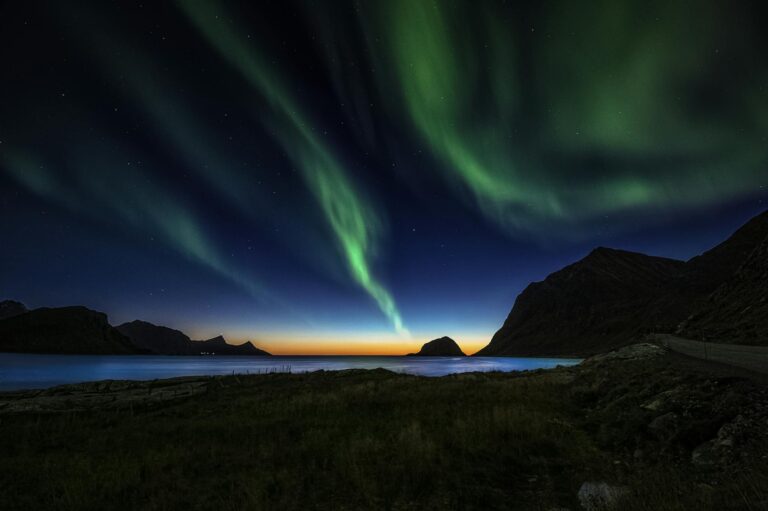
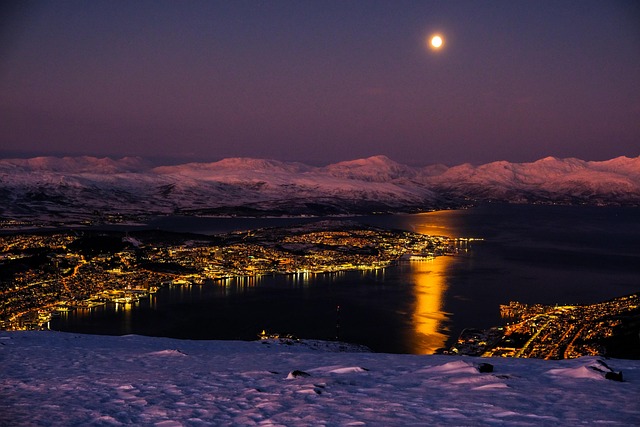
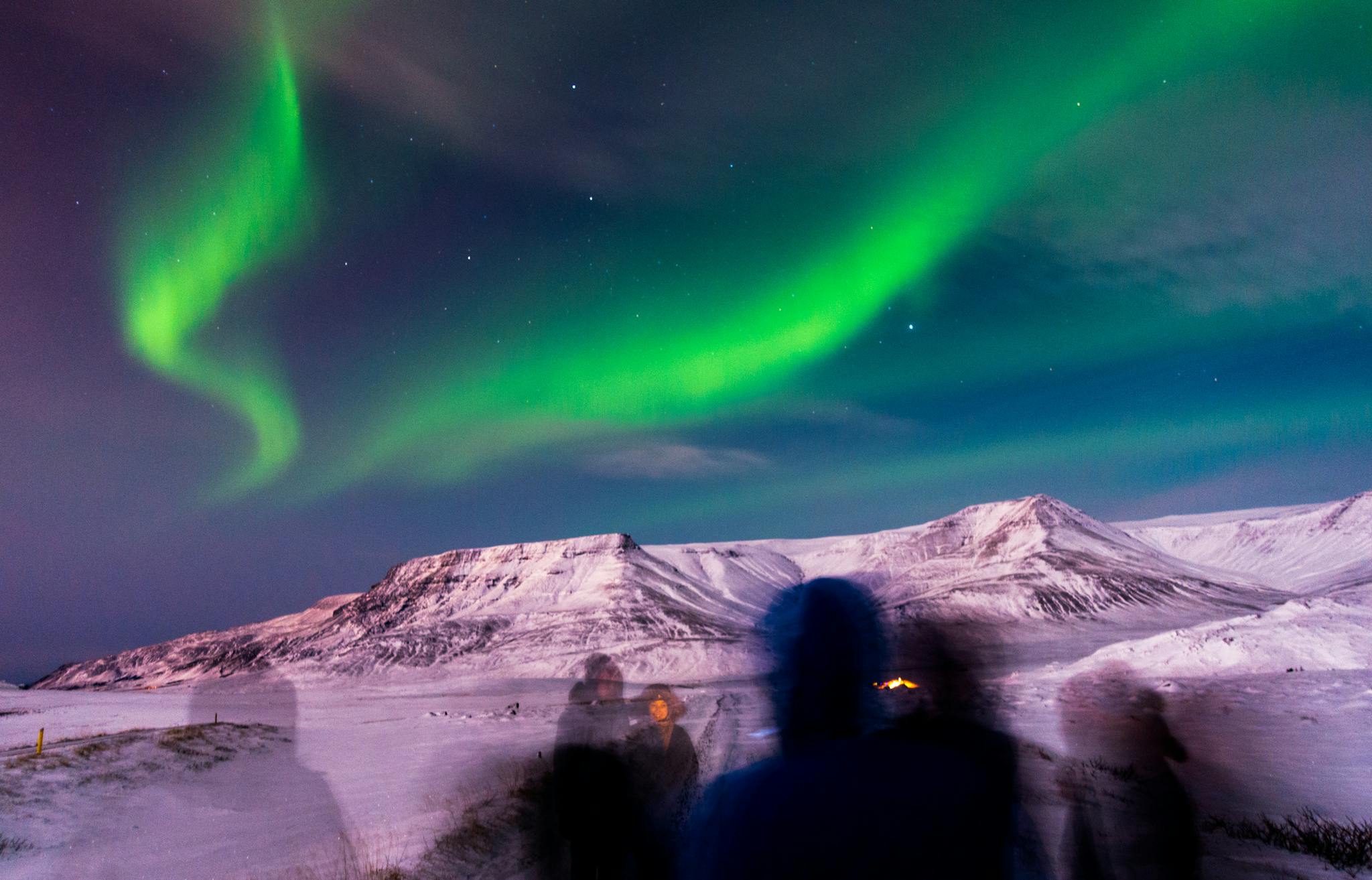
Winter in Norway is magical. Snow covers the mountains, fjords become icy landscapes, and the long nights create perfect conditions for seeing the aurora borealis.
Weather
Average winter temperatures range from about -3°C to -4°C (around 25°F) in both southern and northern regions. Coastal areas are slightly milder, averaging about 2°C (36°F).
Best places to visit
Northern Norway offers the best winter experiences. Cities such as Tromsø and the Lofoten Islands lie within the “Northern Lights Belt,” which has some of the highest aurora activity in the world.
Travellers can also cruise to North Cape and Kirkenes along the Arctic coast.
Another extraordinary destination is Svalbard, one of the world’s northernmost inhabited regions and home to more polar bears than people
Activities
Winter offers unique experiences such as:
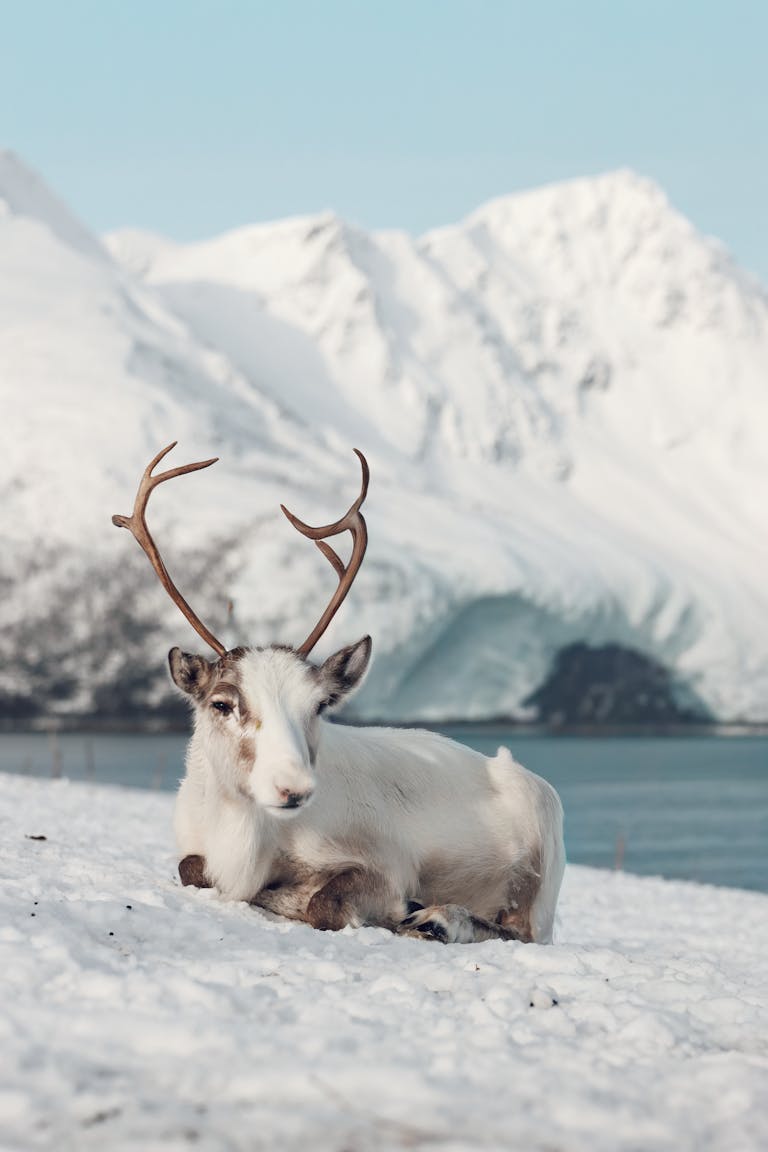
- Dog sledding and reindeer sledding
- Snowmobile northern lights tours
- Learning about Sami culture
- Staying in snow hotels
Near Oslo you can also visit the Holmenkollen Ski Museum, the world’s oldest ski museum.
Winter events
Seasonal highlights include:
- Ice Music Festival
- Northern Lights Festival
- Rørosmartnan
Norway in Spring
Best for waterfalls, wildlife, and blooming landscapes
March to May marks the transition from winter to summer. Snow melts, rivers swell, and landscapes gradually turn green again.
Weather
Temperatures in Oslo typically range from 0°C to 11°C (32°F to 52°F), though spring weather can change quickly.
Best places to visit
The fjords are especially impressive during spring thanks to powerful waterfalls created by melting snow.
A coastal journey between Trondheim and Bergen offers stunning views along the way.
Activities
Spring highlights include:
- Kayaking in Geirangerfjord
- Viewing famous waterfalls such as the Seven Sisters
- Enjoying spring blossoms across the countryside
In late spring, scenic roads reopen including the famous Trollstigen near Ålesund.
Spring events
Seasonal celebrations include:
- Stavanger Vinfest
- Norwegian Constitution Day
- Bergen International Festival
Best Time to Visit Norway for Specific Experiences
Northern Lights
Visit between October and March. Top viewing locations include:
- Tromsø
- Kirkenes
- Lofoten Islands
- North Cape
- Svalbard
Fjords
Summer provides the best weather for exploring fjords such as Geirangerfjord and Nærøyfjord, although spring waterfalls and winter snow scenery also offer unique perspectives.
Hiking
The best hiking months run from April to October. Famous routes include Trolltunga and Preikestolen.
Midnight Sun
To experience the midnight sun, visit northern Norway between mid May and late July in places such as Tromsø or Svolvær.
Whale Watching
The best place for whale watching is along the Vesterålen coast near the Lofoten Islands, especially during summer.
What to Pack for Norway
Norwegian weather can change quickly, so packing wisely is essential.
For all seasons, bring layered clothing so you can adapt to changing temperatures. Waterproof jackets and comfortable hiking shoes are highly recommended.
Even in summer it is wise to pack light gloves, a scarf, and a hat. A sleeping mask can also help if you are visiting during the bright midnight sun season.
In winter, warm wool layers and a well insulated jacket are essential.
Finally, do not forget your camera. Norway’s landscapes are truly spectacular and you will want to capture every moment.